Tesla Powerwall 3
13.5 kWh · 11.5 kW continuous · integrated solar inverter
- Highest continuous output, best A/C starting capability
- Integrated inverter reduces parts count on new installs
- Excellent app; storm-watch pre-charging built in
Tesla Powerwall, Enphase IQ Battery and FranklinWH systems installed and commissioned by our own electricians, on new solar or on the system you already own.
Storage does two very different jobs, and the right system looks different depending on which one you care about. We ask this question first, because a battery bought for the wrong reason is an expensive appliance.
You want the house to keep running when the grid doesn't. Sizing follows your critical loads and how long outages last where you live.
You want to stop buying expensive peak-hour power. Sizing follows your 4–9pm consumption and your utility's export credit.
Most common. A slightly larger system with reserve capacity held back for outages while the rest cycles daily on price.
Using 13.5 kWh usable per unit as a reference. Your mileage varies with climate, appliances and how disciplined you are during an outage.
| Configuration | Usable energy | Backs up | Typical runtime |
|---|---|---|---|
| One battery | ~13.5 kWh | Refrigerator, internet, lights, outlets, garage door, CPAP or medical device | 18–30 hours |
| Two batteries | ~27 kWh | The above plus one A/C zone or heat pump, well pump, washer, microwave | 12–24 hours with A/C cycling |
| Three batteries | ~40 kWh | Effectively whole-home, including central A/C and an EV charger at reduced amperage | Indefinite with daily solar recharge |
| Battery + smart panel | Varies | Circuit-level control lets a smaller battery act like a larger one by shedding loads automatically | Often replaces the third battery |
13.5 kWh · 11.5 kW continuous · integrated solar inverter
5 kWh modules · expandable · native microinverter integration
13.6 kWh · 10 kW continuous · generator-friendly
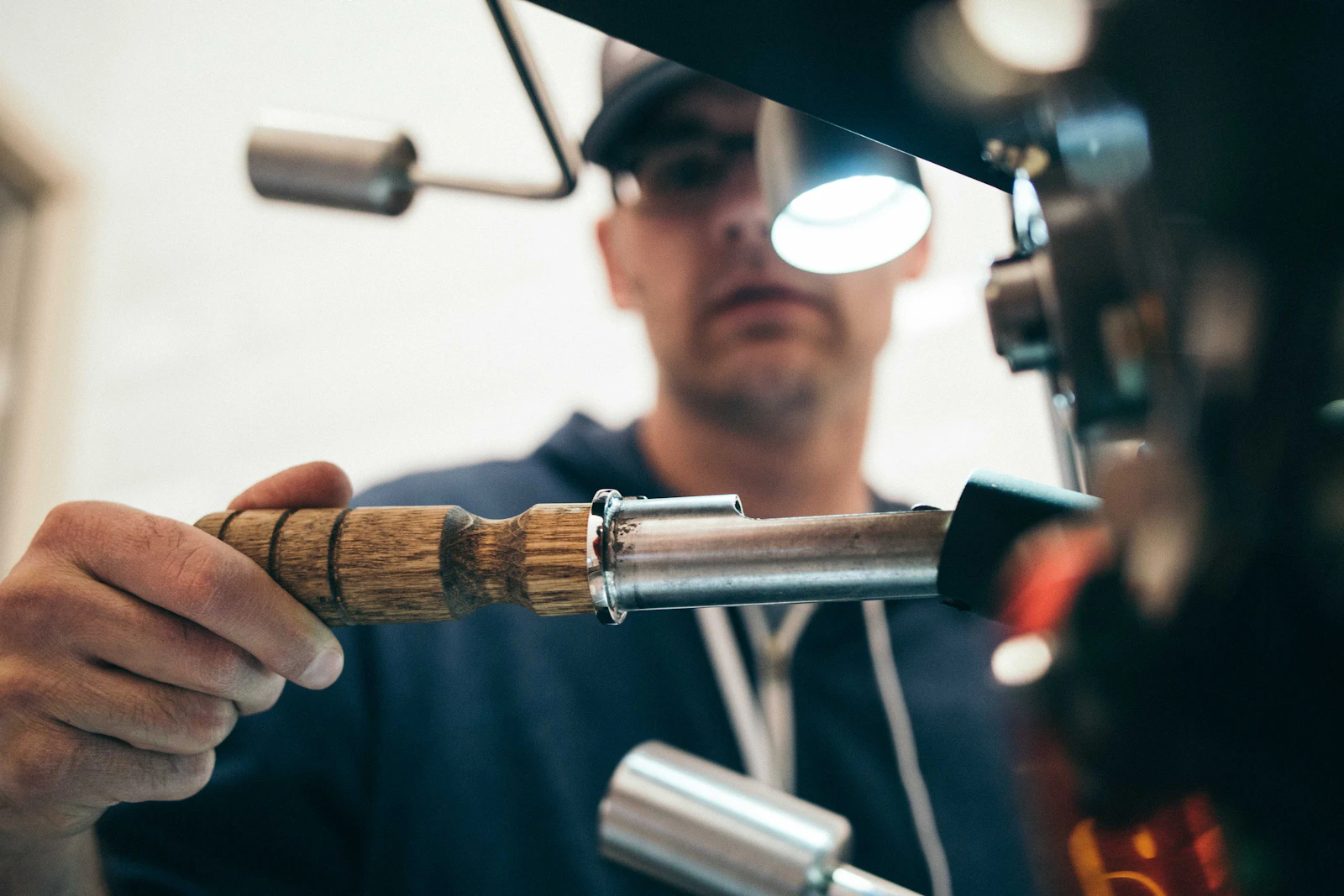
Batteries are reliable. Battery installations fail when someone undersizes a conductor, skips the load calculation, or wires a backup panel that quietly overloads the inverter the first time the well pump and the microwave start together.
Depends entirely on what you back up. A single 13.5 kWh battery running a fridge, Wi-Fi, lighting, phone charging and a few outlets lasts roughly 18–30 hours, and recharges from your solar the next morning, so in a multi-day outage it cycles indefinitely. Add central air conditioning and that same battery might give you four hours. Backing up A/C in Phoenix realistically takes two or three units.
Usually yes, and we do it constantly. If you have string inverters, we add an AC-coupled battery alongside them. If you have Enphase microinverters, IQ Batteries drop in natively. The awkward cases are older systems with obsolete inverters or a main panel with no room; sometimes a smart panel like SPAN solves it more cheaply than a service upgrade.
Sometimes, on rate arbitrage alone. If your utility charges a steep 4–9pm peak and pays little for exports, California's NEM 3.0 being the extreme case. A battery that stores midday production and discharges through peak can pay for a meaningful part of itself. If you're on a flat rate with generous net metering, the honest answer is that a battery is insurance, not an investment.
Chemistry and integration, mostly. Tesla Powerwall 3 has an integrated solar inverter and the highest continuous output. Enphase IQ Batteries are modular, letting you start at 5 kWh and expand. FranklinWH handles generator integration well and has strong whole-home capability. All three use LFP chemistry today, which is more thermally stable than the older NMC packs.
No routine maintenance. They're sealed, liquid-cooled or passively cooled units with a 10-year warranty covering roughly 70% capacity retention. What matters is placement. A garage wall in Phoenix that hits 118°F will degrade a battery faster than the spec sheet assumes, so we site them on the coolest available wall and, where needed, recommend a conditioned enclosure.
Yes, if it's wired for it. FranklinWH is purpose-built for generator integration; Powerwall and Enphase can coexist with a properly configured transfer switch. What you cannot do is let a generator and a grid-forming inverter fight over the same bus, that's an electrician problem, and it's why we insist on doing the transfer switch ourselves.
Tell us what you want to keep running and how your utility bills you. We’ll size the storage, model the peak-shaving savings, and tell you honestly if the answer is ‘not yet’.
Your project is reviewed by a person, not routed to a lead marketplace.